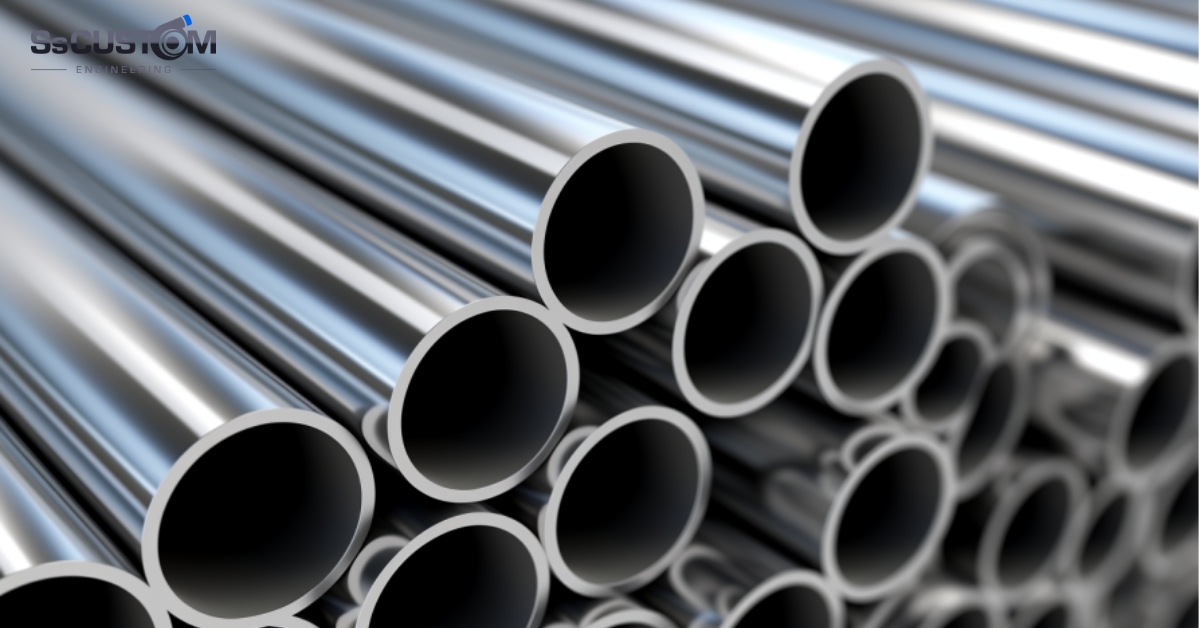
A Complete Guide to Stainless Bends for Performance and Industrial Applications
Stainless bends play a vital role in industries where strength, corrosion resistance, and precision are paramount. Whether it’s high-performance exhaust systems, food-grade piping, or complex chemical processing setups, stainless bends are critical components that ensure smooth transitions and enhanced flow dynamics. This article offers a comprehensive look into the world of stainless bends, from their construction materials to application advantages, types, fabrication methods, and purchase considerations for professionals and enthusiasts alike.
What Are Stainless Bends?
Stainless bends are pre-formed or custom-manufactured tubing or piping segments bent at specific angles, usually 45°, 90°, or 180°, to facilitate directional flow in piping systems. They are made from stainless steel, which is prized for its corrosion resistance, strength, and durability. These bends help in minimizing flow resistance, reducing welds in complex systems, and improving overall system aesthetics and efficiency.
Common Applications of Stainless Bends
| Industry | Application |
|---|---|
| Automotive | Performance exhaust systems, turbocharger lines |
| Marine | Saltwater cooling systems, fuel systems |
| Food and Beverage | Hygienic fluid transfer systems |
| Chemical Processing | Corrosive fluid lines |
| Pharmaceutical | Sterile process lines |
| Construction & HVAC | Piping, ductwork, and structural support |
Stainless bends are widely used in these industries due to their mechanical reliability and resistance to harsh environments, high temperatures, and chemical exposure.
Why Choose Stainless Bends?
- Corrosion Resistance: Ideal for high-moisture and chemically reactive environments.
- Heat Tolerance: Performs well in high-temperature systems like exhaust and heat exchangers.
- Structural Strength: Handles mechanical stress without deformation.
- Low Maintenance: Requires minimal upkeep over time.
- Aesthetic Appeal: Polished finishes offer a professional and clean appearance.
Types of Stainless Bends
1. Mandrel Bends
Mandrel bends use a solid rod during the bending process to maintain the interior diameter of the pipe. These are ideal for exhaust systems where uninterrupted flow is crucial.
2. Crush Bends
Crush bends are more economical but cause slight deformation at the bend, which can reduce airflow or liquid transfer efficiency.
3. Pie-Cut Bends
Made from multiple short straight cuts welded together at angles. Offers a custom look and precise control over bend geometry but requires more time and fabrication skill.
4. U-Bends and J-Bends
Pre-formed shapes often used in compact systems or return piping, especially in automotive and HVAC setups.
Materials and Grades
Stainless bends are primarily manufactured from:
- 304 Stainless Steel: General-purpose, excellent corrosion resistance.
- 316 Stainless Steel: Higher molybdenum content for superior chemical resistance, often used in marine and pharmaceutical industries.
- 321 Stainless Steel: Titanium stabilized, good for high-temperature applications like turbo manifolds.
Bending Methods
| Method | Description | Use Case |
|---|---|---|
| Mandrel Bending | Internal support to maintain pipe diameter during bending | High-performance exhausts |
| Compression Bending | Pipe is pushed against a die to form the angle | Lower-cost applications |
| Rotary Draw Bending | Die set controls the bend precisely | Custom fabrication, tight bends |
Precision in bending is essential, especially when tolerances must be maintained for pressure or flow-sensitive systems.
Design Considerations
- Bend Radius: Affects flow and space usage. A tighter radius saves space but may increase flow restriction.
- Wall Thickness: Thicker walls are stronger but harder to bend.
- Seamless vs. Welded: Seamless bends have no weak points, ideal for pressure systems.
- Finish: Mirror polish for aesthetics or pickled finish for corrosion resistance.
Stainless Bends in Exhaust Systems
In performance vehicle exhaust setups, stainless bends are fundamental for routing exhaust gases efficiently with minimal backpressure. A mandrel-bent stainless steel exhaust system offers:
- Better performance through unrestricted gas flow
- Long lifespan under high-heat conditions
- Resistance to road salt and engine chemicals
For those upgrading or fabricating custom exhausts, sourcing premium-grade stainless exhaust materials is critical.
Welding and Assembly Tips
- Preparation: Clean both ends of the bend to remove surface contaminants.
- Fitment Check: Dry-fit all components before tacking.
- Welding Type: TIG welding is preferred for stainless due to precision and minimal oxidation.
- Back Purging: Use argon gas inside the pipe during welding to avoid oxidation on the inner wall.
- Post-Weld Cleaning: Pickling or passivation helps restore corrosion resistance.
Maintenance Guidelines
Although stainless steel is low-maintenance, here are tips to prolong its lifespan:
- Regularly clean with non-chlorinated solutions
- Avoid direct contact with carbon steel tools
- Inspect welds and bends annually for signs of fatigue or corrosion
Choosing the Right Stainless Bends Supplier
The quality of your stainless bends directly affects the performance and durability of your system. Here are factors to consider:
| Criteria | What to Look For |
|---|---|
| Material Source | Certified 304/316 grades with traceability |
| Fabrication Method | Mandrel bent or seamless construction |
| Finish Quality | Polished or pickled based on usage |
| Stock & Variety | Multiple angles, radii, and diameters available |
| Shipping & Support | Fast delivery with technical assistance |
Buying Online: Trusted Source for Stainless Bends
Whether you’re a performance enthusiast or a professional fabricator, sourcing reliable stainless materials is essential. You can explore a curated collection of high-quality, precisely engineered stainless exhaust materials from trusted suppliers like:
This vendor provides a wide selection of mandrel bends, straight tubes, V-bands, and exhaust accessories for both commercial and custom use.
Stainless Bends vs. Aluminum Bends
While stainless bends offer strength and corrosion resistance, aluminum bends are lighter and easier to fabricate. Here’s a quick comparison:
| Feature | Stainless Bends | Aluminum Bends |
|---|---|---|
| Corrosion Resistance | Excellent (esp. in marine use) | Good (requires anodizing) |
| Weight | Heavier | Lightweight |
| Temperature Handling | Up to 1600°F | Up to 400°F |
| Cost | Higher | Lower |
| Weldability | TIG welding preferred | Easier but requires skill |
If weight reduction is a priority (e.g., for intercoolers), aluminum may be preferred. For structural integrity and heat resistance, stainless remains unmatched.
Conclusion
Stainless bends are indispensable components in high-performance and industrial piping systems. Their ability to maintain internal diameter, withstand extreme environments, and enhance aesthetic appeal makes them a top choice across various sectors. When quality and durability are non-negotiable, stainless bends offer the peace of mind professionals demand.
Whether you’re assembling a turbo manifold or designing a sanitary fluid system, choosing the right stainless bend can make all the difference in performance, efficiency, and longevity.
Need a trusted source? Make your project seamless with precision-engineered options from suppliers that specialize in stainless materials tailored for high-performance applications.