Reliable Roofing Service Contractors Ensuring Weather Protection and Asset Longevity in the UK
Roofing Service Solutions Tailored for Safety, Performance, and Structural Integrity
Roof systems represent one of the most critical architectural components in both residential and commercial construction. Without proper roofing service support, buildings face premature deterioration, water intrusion, insulation failure, mold development, and costly repairs. In recent years, demand for qualified roofing specialists has expanded across the UK as property owners seek long-lasting materials, certified installation crews, and responsive maintenance plans capable of managing complex climate challenges. Roofing projects vary in scope, ranging from tile replacements and membrane upgrades to full structural refurbishments and emergency leak repairs. However, regardless of scale, the core objective remains consistent: providing a durable barrier between interior spaces and external elements. This extensive analysis examines essential aspects of roofing service quality, material considerations, inspection practices, pricing transparency, and the functional differences between residential and commercial roofing needs.
Function and Purpose of Professional Roofing Service in Modern Construction
A high-performing roof is designed to resist environmental conditions such as rain, wind uplift, cold exposure, and UV degradation. Beyond physical protection, roofs contribute to thermal performance, interior comfort, sound insulation, and energy efficiency. Professional roofing service providers execute structured project workflows that include condition surveys, material selection, safety planning, installation, quality assurance, and post-project maintenance guidance. This process ensures that roofing systems meet regulatory codes, manufacturer specifications, and client expectations. Additionally, modern roofing practices prioritize sustainability through improved insulation, ventilation systems that prevent condensation, and solar-compatible structures that support renewable energy adoption. Without expert intervention, roofing failures can escalate rapidly, compromising building envelope integrity and increasing long-term operational costs for property owners.
Common Roofing Materials Used in the UK and Their Performance Attributes
Roofing material selection varies based on building type, architectural design, climate zone, and budget priorities. Common pitched roof materials include natural slate, clay tiles, concrete tiles, and metal panels. Slate is known for its exceptional longevity and visual elegance, making it popular for heritage properties. Clay tiles offer distinctive aesthetics and thermal performance benefits. Concrete tiles provide affordability and widespread availability across suburban developments. Metal roofing systems, including steel, zinc, and aluminum, offer lightweight installation, fast project turnaround, and durability against corrosion when properly treated. Flat roof systems typically utilize synthetic membranes such as EPDM (ethylene propylene diene monomer), PVC (polyvinyl chloride), TPO (thermoplastic polyolefin), or multi-layer bituminous systems. Each membrane category provides unique advantages related to UV stability, weldability, chemical resistance, heat reflectivity, and installation complexity. Understanding these material attributes enables property owners to make informed decisions regarding long-term durability and maintenance requirements.
Flat Roofing Service Considerations for Commercial and Industrial Buildings
Flat roofing systems dominate commercial and industrial landscapes due to their ability to accommodate HVAC equipment, skylights, photovoltaic arrays, and pedestrian service walkways. However, these roofs demand careful engineering to avoid standing water, membrane blistering, thermal expansion cracks, and seam failures. A competent roofing service contractor conducts drainage calculations, installs tapered insulation boards to create runoff gradients, and secures membrane seams using manufacturer-approved welding or adhesive processes. Flashing techniques around vents, upstands, and parapet walls are critical to preventing leak paths. Industrial facilities may also require chemical-resistant or fire-rated membranes based on stored materials and regulatory compliance mandates. Long-term flat roof performance depends on periodic maintenance, including debris clearing, joint inspection, and waterproof coating applications. Pairing technical installation with structured maintenance schedules reduces unplanned downtime, protects valuable equipment, and extends the service life of commercial facilities.
Pitched Roofing Service Requirements for Residential Architecture
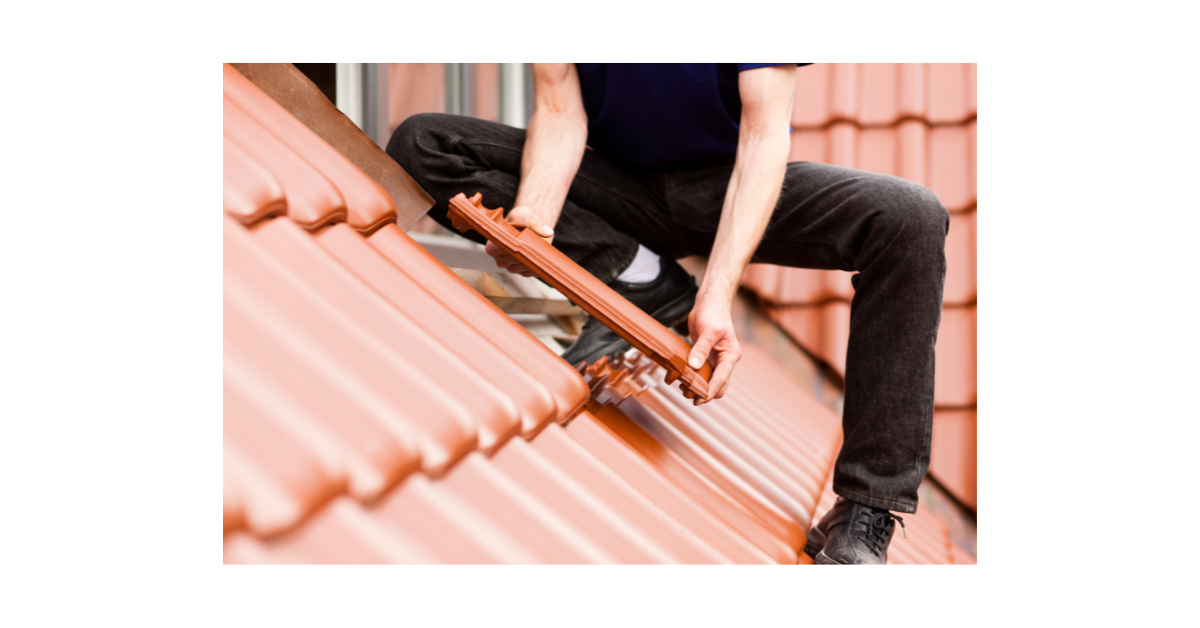
Residential pitched roofing systems rely on angled slopes that promote efficient water runoff and natural ventilation. These roofs incorporate multiple components such as rafters, battens, underlayment, tiles or slates, ridge systems, flashing pieces, gutters, and ventilation grilles. A professional pitched roofing service evaluates each component to ensure a watertight finish and compliance with local building regulations. Flashing installation around chimneys, dormers, skylights, and valley joints requires particular precision to prevent moisture ingress. Breathable membranes are now common beneath roof coverings to enhance vapor management and reduce condensation under tiles. Homeowners also benefit from insulation upgrades that improve thermal comfort and reduce heating expenses. When executed properly, pitched roofing refurbishments enhance kerb appeal, improve energy performance, and increase overall market valuation of residential properties.
Structural Integrity and Pre-Installation Assessment
Before initiating a roofing project, contractors conduct technical surveys to assess roof decking condition, structural supports, flashing integrity, insulation quality, and moisture presence. This preliminary step identifies whether roof elements require reinforcement or replacement before new materials can be installed safely. Assessments also evaluate load-bearing capacity, which is essential when switching from lightweight membranes to heavy tile or slate coverings. Failure to perform accurate load analysis can result in sagging frameworks, cracked plaster, or complete structural failure. Additionally, many roofing service teams perform moisture detection using specialized meters to locate hidden leaks or mold risks. This diagnostic approach protects clients from investing in new coverings placed over compromised structures, ultimately preserving installation warranties and structural reliability.
Insulation, Ventilation, and Moisture Management Considerations
Energy efficiency regulations increasingly influence roofing specifications in both residential and commercial sectors. Roofing insulation upgrades minimize heat loss through the building envelope, reducing energy consumption and improving indoor climate stability. Ventilation systems play a complementary role by enabling airflow that reduces moisture accumulation within the roof cavity. Condensation is a major concern in poorly ventilated roofs, as it can cause timber rot, mold growth, and corrosion of metal components. Modern roofing service solutions incorporate ridge vents, eave vents, and breathable membranes that maintain controlled airflow without compromising thermal performance. Moisture barriers and vapor retarders are also applied based on climate and building function. For commercial buildings, cool roof coatings and reflective membranes help reduce surface temperatures, lowering HVAC cooling loads and extending membrane lifespans.
Roof Repairs, Refurbishments, and Emergency Roofing Service Needs
Not all roofing work involves full replacement. Repairs and refurbishments are extremely common due to storm impacts, tile slippage, punctured membranes, gutter blockages, or flashing deterioration. Emergency roofing service providers respond to storm-related damage by deploying temporary tarping systems, leak sealing compounds, and quick assessments to prevent further interior damage. Post-emergency repairs may involve partial tile replacement, membrane patching, gutter re-alignment, or timber reinforcement depending on the extent of damage. Roofing contractors typically document emergency damage for insurance submission, helping homeowners and building managers streamline claim approval. Scheduled refurbishment can address aging roof components without the cost of full replacement, extending functional lifespan while maintaining building safety and compliance.
Lifecycle Management and Preventive Maintenance Strategies
Preventive maintenance is key to maximizing roofing lifespan and minimizing major repair expenses. Property owners benefit from service plans that include moss removal, debris clearing, gutter flushing, joint sealing, flashing inspections, and membrane vulnerability testing. Many manufacturers require scheduled maintenance to keep warranties valid, especially for commercial membrane systems. Roofing service providers use lifecycle planning tools to estimate material longevity, enabling clients to forecast replacement budgeting and insurance risk assessments. Ignoring maintenance accelerates roof degradation, causing leaks, internal humidity buildup, and thermal inefficiency. Conversely, proactive maintenance contributes to sustainability by reducing waste associated with premature material disposal and large-scale replacements.
Qualification Standards and Roofing Service Contractor Accreditation
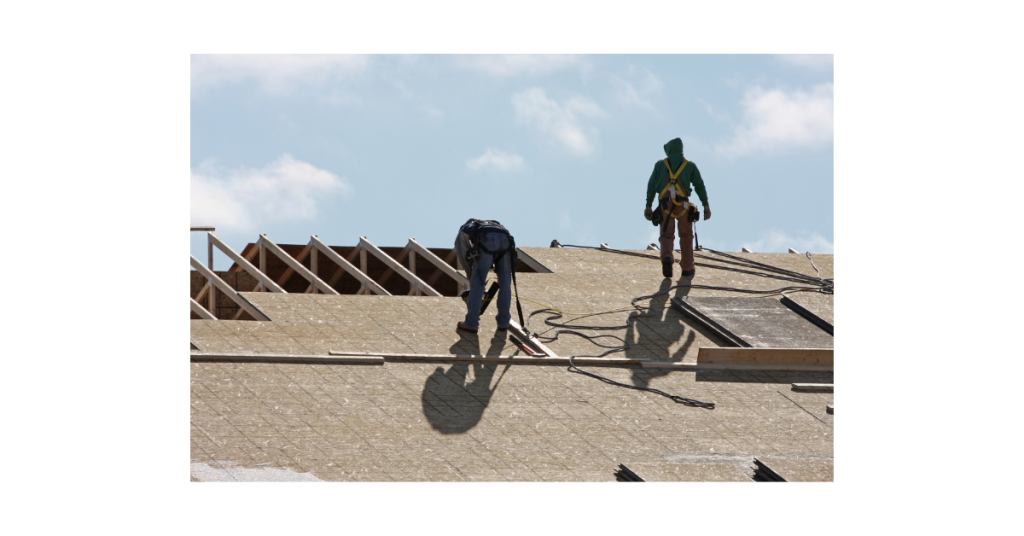
Choosing a suitable roofing contractor requires more than comparing price quotes. Accreditation, certification, product training, health and safety compliance, and insurance coverage are critical evaluation factors. Certified roofing service providers adhere to installation standards set by membrane manufacturers, tile producers, and national trade bodies. Insurance protects clients from liability during high-risk activities such as working at height or handling heavy slate loads. Reputable contractors supply written proposals, itemized pricing, warranty documentation, and post-installation support details. Property owners should also review portfolios, customer testimonials, and product warranty options before signing agreements. Transparent communication and documented survey results distinguish professional roofing firms from unqualified operators who may utilize low-quality materials or ignore regulatory obligations.
Pricing Structures, Quotation Methods, and Financial Considerations
Roofing service pricing varies depending on roof slope, access complexity, scaffolding requirements, material choices, insulation upgrades, waste disposal costs, and labor duration. Pitched roof projects may include tile counts, ridge tile installation, lead flashing replacement, or valley construction in their cost calculations. Flat roof pricing often follows per-square-meter models linked to membrane thickness, insulation level, and drainage design. Clients should request itemized quotes that clarify labor, materials, warranties, and schedule expectations. Budget-friendly offers are not always cost-effective if they sacrifice material quality or proper installation techniques, leading to premature failure and insurance disputes. Long-term value arises from choosing roofing service packages that balance performance, warranty security, and operational durability.
Impact of Roofing Improvements on Property Valuation and Performance
A well-maintained roof significantly increases property desirability. Homebuyers gain confidence knowing that key structural components will not require immediate investment. Real estate agents often highlight recent roof refurbishments or replacements as selling advantages due to reduced maintenance risk and improved energy performance. Commercial property owners benefit from reduced energy consumption, improved tenant comfort, and lower insurance risks associated with water intrusion events. Upgrading roofs to meet modern energy standards can also support compliance certifications for corporate sustainability programs. In this regard, roofing service investments provide tangible returns that extend beyond basic weather protection.
Reliable Roofing Service Solutions for UK Property Owners
Clients seeking professional roofing service support in the UK can explore reliable contracting options such as Roofing service providers offering installation, repair, and maintenance services across diverse building categories. Partnering with experienced contractors ensures proper material handling, regulatory compliance, accurate surveying, and long-term warranty coverage. Skilled teams apply structured project planning, transparent pricing, and responsive customer communication to deliver roofing solutions that support asset longevity and occupant comfort.
Long-Term Outlook on Roofing Service Standards and Innovation
The roofing industry continues to advance through improved materials, enhanced installation technologies, digital inspection tools, and sustainability-driven upgrades. From solar-compatible flat roof designs to breathable pitched roof membranes and recycled tile systems, roofing service providers now integrate environmental stewardship with performance-based engineering. Property owners benefit from expanded warranty programs, lifecycle planning tools, and insulation technologies that reduce operational expenses. Companies such as Roofing service partners support this transition by offering comprehensive service models designed to protect structural assets, enhance energy performance, and maintain regulatory compliance. As market expectations continue to evolve, investing in qualified roofing service providers remains essential for safeguarding property value and long-term building functionality.